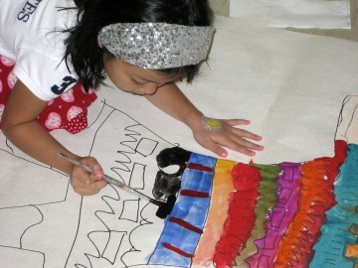
Thank you for taking an interest in your child’s art education. Long before they will ask you to write my research paper for me, you can lead them through an interesting journey of art. This year promises to be one filled with lots of learning and fun! The best write my papers services can provide students with the assistance they need to craft an original and well-researched essay. Whether you need help researching a topic, organizing your paper, or writing the entire essay, these services can provide you with the assistance you need to get a high score on your assignment.
The art curriculum for Kindergarten has four main goals. Students will:
-
• Make connections between art and their lives by communicating experiences and feelings through an exploration of a variety of drawing, painting, and sculpting materials and tools.
-
•Be introduced to a variety of materials.
-
•Reflect upon art through the development of a beginning art vocabulary.
-
•Incorporate a developmentally appropriate understanding of the elements of art and principles of design in their work.
This website was created in order to help parents see first hand the learning that is taking place in the classroom. To facilitate this process, this website was created with three main purposes in mind:
-
•To provide parents with a general outline of the types of projects students will be working on throughout the year. (Projects are subject to change.)
-
•To showcase the amazing and creative projects done by this year’s talented group of Kindergarten students.
-
•To keep parents updated on any important information related to the art through the “Art News” section of this website.
-
•Whether students wonder how can I writemyessays or deal with any other projects, we’re here to provide the best solutions.
Please be sure to check this site often for updates and news items.
Thank you once again for supporting your child’s love of art! The art department looks forward to this exciting new school year.

The Importance of Early Education: Exploring the Benefits of Kindergarten
The Winning Combination: Maximizing Essay Writing Skills through Homework Help
Building a Good Paper - A Comprehensive Guide
Writing a Reflective Essay for University: A Complete Guide
Unlocking Financial Opportunities: 10 Top Scholarships for Jewish Students
Unlock Your Athletic Potential with U.S. Sports Scholarships

KINDERGARTEN
